

Vineland Slip and Fall Lawyer
Request a Free ConsultationProperty owners throughout Vineland must maintain safe premises for visitors and customers. When negligent maintenance causes injuries, New Jersey law under N.J.S.A. 2A:14-2(a) provides two years from the accident date to pursue compensation. Even when partial responsibility exists, New Jersey’s Modified Comparative Negligence statute (N.J.S.A. 2A:15-5.1 to 5.3) allows recovery for injured parties who are less than 51% at fault.
Grungo Law represents Vineland residents who have been injured by dangerous property conditions throughout Cumberland County. We bring proven litigation skills to premises cases involving retail stores, parking lots, restaurants, and public spaces. We offer free consultations and work on a contingency fee with no upfront payment. If we can help, we will, and a Vineland slip and fall lawyer can guide you through the process and protect your rights.
Key Takeaways for Vineland Slip and Fall Cases
- Property owners owe business visitors a duty to inspect regularly, identify dangers, and either repair hazards or provide adequate warnings about unsafe conditions.
- New Jersey law (N.J.S.A. 2A:14-2(a)) requires filing within two years of your injury, but surveillance footage often disappears within weeks and witness memories fade quickly, making immediate action essential.
- Cumberland County victims can recover medical expenses, lost income, future treatment costs, and compensation for pain and reduced quality of life.
- Comparative negligence rules (N.J.S.A. 2A:15-5.1 to 5.3) reduce awards by your fault percentage but allow recovery if you bear less than 51% responsibility.
- Contingency fee arrangements under New Jersey Court Rule 1:21-7 mean no legal fees unless we secure compensation through settlement or verdict.
Why Choose Grungo Law for Your Vineland Premises Case

Cumberland County premises cases require local knowledge, trial experience, and an understanding of working families’ financial realities. Grungo Law combines Supreme Court certification with deep Vineland community roots to effectively represent injured residents, including those harmed when property hazards cause slip and fall accidents.
Supreme Court Certification and Proven Results
Richard Grungo Jr. is certified by the Supreme Court of New Jersey as a Civil Trial Attorney, a designation earned by approximately 2–3% of licensed New Jersey attorneys, according to the New Jersey Board on Attorney Certification. This designation reflects demonstrated competence in complex injury litigation. Our firm has secured over $135 million in cumulative settlements and verdicts (outcomes depend on individual case circumstances).
Vineland Community Connection
We maintain a Vineland office to provide accessible legal services for Cumberland County residents. Our team knows Landis Avenue businesses, Route 47 shopping centers, Cumberland Mall properties, and municipal facilities throughout the area. We understand local court procedures at the Cumberland County courthouse and work with Inspira Medical Center providers who treat fall injuries.
For clients with mobility or transportation limitations, we conduct consultations at homes or medical facilities. We accommodate working families with evening and weekend appointments.
No Upfront Costs—Contingency Fee Structure
Your fall at a Vineland business or property left you in pain with mounting bills. The property owner claims you should have been more careful, or their insurance company offers a settlement that barely covers emergency room costs. You need experienced legal representation but worry about affording an attorney when you’re already struggling financially.
We represent injured clients under contingency fee arrangements. You pay no attorney fees unless we recover compensation. We advance investigation costs, expert fees, and litigation expenses, reimbursed only from successful settlements or verdicts. Call (856) 519-0417 for your free consultation.
Compensation Available in Vineland Premises Cases

Recoverable damages depend on injury severity, economic losses, liability strength, and comparative fault. New Jersey law permits compensation for both financial losses and life impact, which is central to many Slip and Fall Accidents on New Jersey cases where victims face long-term consequences.
Economic Losses and Medical Expenses
Medical treatment costs form the foundation of economic damages. Serious injuries that require hospitalization, surgery, and rehabilitation generate substantial expenses. Future needs factor into total damages, including ongoing treatment, physical therapy, and potential additional procedures.
Lost wages matter when injuries prevent work. Many Vineland residents work hourly positions without paid sick leave, making missed shifts financially devastating. We document lost income with pay stubs, employer statements, and tax records. Reduced earning capacity applies when permanent limitations affect future employment.
Noneconomic Damages for Pain and Life Impact
Physical pain, emotional distress, and reduced quality of life warrant noneconomic compensation. Hip fractures requiring surgery cause months of recovery and rehabilitation. Knee injuries prevent returning to physically demanding work. Wrist fractures limit daily activities such as cooking and childcare. These life disruptions deserve recognition beyond medical bills.
How Fault Allocation Affects Recovery
New Jersey’s comparative negligence standard under N.J.S.A. 2A:15-5.1 to 5.3 reduces compensation by your fault percentage when you are less than 51% responsible. Property owners may claim hazards were “open and obvious” or that victims failed to watch their step. We counter these defenses by showing there was inadequate lighting, missing warnings, or code violations that created unreasonable dangers.
Our Approach to Building Strong Claims
We investigate accident locations with photographs and measurements. We identify witnesses promptly, before memories fade. We gather maintenance records showing that owners knew about hazards. We work with medical providers to document injury severity and treatment needs. We handle insurance negotiations and prepare for trial when companies refuse fair settlements.
Common Vineland Slip and Fall Locations

Understanding where accidents occur helps identify responsible parties and applicable legal duties. Vineland residents suffer preventable injuries at various property types throughout Cumberland County, which can become a significant issue in any slip and fall accident case when negligence is involved.
Frequent accident locations include:
- Retail stores and supermarkets along Route 47 and Landis Avenue
- Restaurant dining rooms and restroom facilities
- Parking lots at Cumberland Mall and shopping centers
- Municipal sidewalks and government building entrances
- Apartment complex stairways and common areas
Retail and Grocery Store Accidents
Major retailers, including Walmart, ShopRite, and discount stores, see high customer volume, which creates spill risks. Produce sections with vegetable misters leave water on floors. Refrigerated areas generate condensation. Customers track rain and snow through entrances. Self-service businesses face heightened duties under New Jersey’s “mode of operation” doctrine, which requires reasonable inspection regardless of actual notice of a specific hazard.
Restaurant and Food Service Injuries
Restaurants throughout Vineland’s downtown and the Route 55 corridor must maintain safe dining areas, kitchens, and restrooms. Spilled drinks, dropped food, and cooking grease create dangerous conditions. Wet bathroom floors and inadequate lighting cause falls. Bar and nightclub patrons face additional hazards on dance floors and outdoor seating areas.
Parking Lot and Walkway Hazards
Shopping center parking lots require maintenance to address potholes, uneven pavement, and inadequate lighting. Cumberland Mall and retail plazas must repair cracked surfaces and provide proper drainage.
Winter weather creates ice and snow removal obligations. Tree roots that lift sidewalks create trip hazards. Cart corrals and pedestrian pathways need clear markings and maintenance.
Municipal and Public Property Falls
City sidewalks, government buildings, recreation facilities, and public parking areas fall under New Jersey Tort Claims Act requirements. Injured parties must file written notice within 90 days before pursuing compensation. Missing this deadline may bar claims unless courts permit late notice.
Injuries From Vineland Falls
Accident severity ranges from minor bruising to life-altering fractures that require surgery and extended recovery. Common injuries demand different treatment approaches and generate varying compensation needs, which also highlights the importance of tips to avoiding slip and falls in everyday environments.
Fractures Requiring Surgery
Hip fractures predominantly affect older adults and require surgical repair. Recovery involves hospitalization, rehabilitation, and potential long-term mobility limitations. Wrist and arm fractures occur when people extend their hands instinctively during falls, often requiring casting or surgical intervention.
Joint and Ligament Damage
Knee injuries, including torn meniscus and ligament tears, may require arthroscopic surgery and months of physical therapy. Ankle sprains and fractures prevent weight-bearing and working. Shoulder injuries from impact may include rotator cuff tears that need surgical repair. These injuries affect manual laborers, retail workers, and service industry employees particularly severely.
Back and Spinal Injuries
Lower back injuries from falls include herniated discs and compression fractures. These injuries cause chronic pain that affects work capacity and daily activities. Treatment may involve pain management, physical therapy, epidural injections, or surgical intervention for severe cases.
Head Trauma and Concussions
Backward falls may cause head injuries when victims strike hard surfaces. Concussions cause headaches, dizziness, memory problems, and concentration difficulties. Elderly victims face elevated risks for serious complications from head trauma. Some brain injuries require hospitalization and neurological monitoring.
Steps to Take After Your Vineland Fall
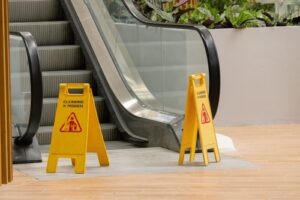
Immediate actions protect both your health and legal rights. Prioritize medical treatment while preserving evidence for potential claims, keeping in mind the dangers of slip and falls and how quickly these incidents can escalate without proper documentation.
Seek Medical Attention Promptly
Visit Inspira Medical Center’s emergency department for serious injuries. See your primary care physician within 24-48 hours even for seemingly minor injuries. Some conditions, including concussions, may show delayed symptoms. Medical records created immediately after accidents establish causal connections between falls and injuries. Follow treatment recommendations and attend all appointments—gaps allow insurance companies to question injury severity.
Document the Accident Scene
Report incidents to property managers or store employees immediately. Request written incident reports and keep copies. If you’re physically able, photograph hazardous conditions, surrounding areas, lighting levels, and lack of warning signs. Capture multiple angles showing what caused your fall. Collect contact information from anyone who witnessed the accident.
Preserve the clothing and footwear worn during the fall. Save all medical bills, prescription receipts, and documentation of lost wages. Keep a journal noting pain levels, activity limitations, and how injuries affect daily life.
Decline to give a recorded statement to a property owner’s insurer before consulting an attorney. Insurers may use these statements to minimize claims. Bring all documentation to your free consultation, where we assess your case without obligation.
FAQ for Vineland Slip and Fall Cases
When can I hold a property owner responsible for my fall?
Property owners owe business visitors duties to inspect premises regularly, identify hazards, and either repair dangerous conditions or warn customers adequately. Liability exists when owners knew or should have known about dangers through reasonable inspection. Actual notice comes from employee observations or customer complaints. Constructive notice applies when hazards existed long enough that proper inspection would have discovered them. Under New Jersey’s mode of operation doctrine, self-service businesses may be liable for foreseeable hazards in areas where customers serve themselves.
What if the store claims I should have seen the hazard?
New Jersey law recognizes that not all obvious conditions absolve property owners of responsibility. Adequate lighting, clear warnings, and reasonable safety measures are required even for visible hazards. Your attorney gathers evidence showing poor lighting, missing warning signs, distractions drawing attention away from dangers, or building code violations creating unreasonable risks. Comparative fault reduces rather than eliminates recovery when you bear partial responsibility below 51%.
How do winter weather conditions affect liability?
New Jersey’s ongoing storm doctrine limits property owner liability during active precipitation. Owners must remove snow and ice within reasonable timeframes after storms end. Courts consider storm severity, property type, and time elapsed since the precipitation stopped. Parking lots and walkways require attention to ice accumulation, particularly in shaded areas where melting and refreezing create hazards. Salt and sand tracked indoors create separate slip risks requiring mat placement and regular cleaning.
Can I pursue compensation against my employer’s property?
Workers’ compensation is typically the exclusive remedy for employee injuries at work. Third-party premises liability claims may apply when employees are injured at customer locations, on subcontractor job sites, or due to non-employer negligence. Delivery drivers injured at customer properties may pursue premises claims. Construction workers hurt by property defects rather than work activities may have third-party claims beyond workers’ compensation benefits.
How quickly should I request surveillance or electronic data?
Request preservation immediately in writing to the property owner and insurer. Many systems overwrite video within days or weeks. Include the specific date, time, location, and camera angles in your request. For vehicle incidents on the property, ask qualified experts to preserve any electronic data recorder (EDR) downloads before data is lost.
How long do premises liability cases typically take?
Case duration depends on injury severity, liability disputes, and settlement negotiations. Straightforward cases with clear responsibility and modest injuries may resolve within months. Complex cases involving serious injuries, disputed fault, or inadequate initial offers require litigation extending longer. You should complete medical treatment before settling to ensure compensation addresses all needs. Rushing settlement often results in inadequate compensation that fails to cover future medical expenses or ongoing treatment requirements.
Get Your Free Vineland Slip and Fall Consultation
Grungo Law serves Vineland, Millville, Bridgeton, Buena, and throughout Cumberland County from our Vineland office. We bring proven premises liability experience to cases involving retail stores, restaurants, parking lots, and municipal properties.
If we can help, we will. Our mission guides every client relationship from initial consultation through case resolution. You’re not a case number—you’re a Vineland neighbor deserving experienced, accessible representation. Call (856) 519-0417 today to discuss your fall injury. We offer free consultations with flexible scheduling, including evenings and weekends. We will pursue the compensation you need to recover and move forward.