


Navigating the Dangers of Route 70: A Guide for Medford Accident Victims
Request a Free ConsultationIf you need a Route 70 accident lawyer, you already know this Medford corridor presents serious hazards. The stretch through Burlington County combines high speeds with frequent commercial driveways, creating conditions where crashes follow predictable patterns. Local drivers recognize these dangers every time they navigate this busy road.
Route 70 serves as Medford’s primary artery for commuters, shoppers, and commercial traffic. The road’s design forces drivers to make difficult decisions at high speeds, particularly during left turns across oncoming traffic. When crashes occur, the question often becomes whether drivers exercised reasonable care given the known risks of this specific roadway.
Key Takeaways for Route 70 Accident Claims
- Route 70’s design creates predictable hazards, including left-turn conflicts, rear-end collisions in stop-and-go traffic, and crashes near commercial driveways.
- New Jersey applies modified comparative negligence, meaning injured drivers may recover compensation as long as their fault is not greater than 50 percent.
- Drivers owe a duty to exercise reasonable care in light of known road conditions, and failure to adjust behavior appropriately may establish negligence.
- New Jersey’s two-year statute of limitations applies to personal injury claims, creating a deadline that injured drivers must meet.
- A Medford personal injury lawyer who is familiar with Route 70 crash patterns may help accident victims fight for fair compensation.
Why Route 70 Presents Unique Dangers in Medford
Route 70 through Medford Township presents a combination of factors that increase crash risk. The road carries high traffic volumes at speeds that leave little margin for error. Commercial development along the corridor creates constant conflict between through traffic and vehicles that enter or exit driveways.
Local residents who drive this stretch daily understand the tension between maintaining highway speeds and watching for vehicles that turn across their path. This awareness matters legally because it establishes the conditions all drivers must navigate.
High Speeds Mixed With Commercial Access
The speed limit along much of Route 70 allows traffic to move quickly. At the same time, shopping centers, restaurants, and businesses line both sides of the road. This combination creates situations where drivers traveling at highway speeds encounter vehicles that slow suddenly or turn unexpectedly.
The New Jersey Department of Transportation maintains Route 70 as a state highway. Traffic engineers generally recognize that roads with frequent access points present increased conflict risks compared to limited-access highways.
Left-Turn Conflicts at Commercial Driveways
Left turns across traffic on Route 70 are among the most dangerous maneuvers on this road. Drivers waiting to turn must judge gaps in fast-moving traffic from both directions. Misjudging speed or distance may lead to T-bone collisions with severe consequences.
These crashes often result in significant injuries because the turning vehicle receives the impact on its side. Side-impact collisions provide less protection than front or rear crashes.
Common Crash Patterns on Route 70 in Burlington County
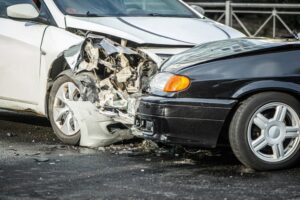 Crash patterns on Route 70 follow predictable types. When accident investigators examine collisions along this corridor, certain scenarios appear repeatedly. These patterns help establish how negligence occurs on this specific roadway.
Drivers who understand these patterns better recognize their own rights when crashes occur. The type of collision often indicates which driver failed to exercise reasonable care.
Rear-End Collisions in Congested Traffic
Traffic congestion along Route 70, particularly near major shopping areas, creates stop-and-go conditions. Drivers who follow too closely or become distracted have insufficient time to stop when traffic ahead slows suddenly.
Following too closely violates New Jersey traffic law. Under N.J.S.A. 39:4-89, drivers must maintain a reasonable distance behind the vehicle ahead. Rear-end collisions often suggest that the following driver failed to meet this standard, though fault depends on the specific circumstances.
T-Bone Crashes at Intersections and Driveways
T-bone crashes, also called side-impact collisions, occur when one vehicle strikes the side of another. On Route 70, these crashes frequently happen when a driver turns left across traffic or pulls out from a commercial driveway into the path of oncoming vehicles.
The driver who fails to yield typically bears primary responsibility for these collisions. However, factors like excessive speed or right-of-way confusion may affect how courts allocate fault between parties.
Failure-to-Yield Accidents
Failure-to-yield accidents occur when drivers do not give proper right-of-way to other vehicles. Along Route 70, these crashes happen at intersections, commercial entrances, and merge points. The results range from minor fender-benders to catastrophic collisions.
Evidence in these cases often includes the following:
- Traffic signal timing and whether either driver ran a red light
- Witness statements about which vehicle entered the intersection first
- Physical evidence showing the point of impact and vehicle positions
- Traffic camera footage when available from nearby businesses
This evidence helps establish which driver violated the duty to yield right-of-way under New Jersey law.
How Road Conditions Affect Negligence Claims
When crashes occur on Route 70, the road’s known hazards become relevant to negligence analysis. New Jersey law requires drivers to exercise care appropriate to the conditions they encounter. Known dangers affect how courts evaluate whether a driver acted reasonably.
This principle does not excuse negligent behavior. Instead, it reinforces that drivers must adjust their conduct to match the risks they face.
The Duty to Exercise Reasonable Care
All drivers owe a duty of reasonable care to others on the road. What constitutes reasonable care depends on the circumstances, including road conditions and traffic patterns. Route 70’s combination of high speeds, frequent driveways, and heavy traffic creates conditions where reasonable drivers exercise heightened awareness.
A driver who speeds through a congested commercial area may face stronger negligence arguments than one who crashes on an empty rural road. The circumstances shape how reasonableness is evaluated.
Weather and Visibility Factors
Poor weather and low visibility increase crash risk along Route 70. Rain, fog, and darkness reduce reaction time and make it harder to judge distances. Sections of the road with limited lighting present particular challenges after dark.
Drivers must reduce speed and increase following distance when visibility decreases. Failure to adjust for weather conditions may establish negligence even when another factor contributed to the crash.
Common Injuries From Route 70 Accidents
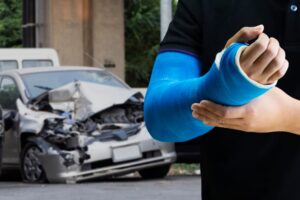 The high speeds and collision types common to Route 70 may produce serious injuries. The severity of injuries affects both medical treatment needs and the compensation that injured drivers may pursue. Medical documentation plays a critical role in connecting injuries to the specific accident.
Injury severity also influences how long claims take to resolve. More serious injuries require longer treatment periods before the full extent of harm becomes clear.
Impact Injuries From High-Speed Collisions
High-speed crashes on Route 70 frequently cause impact injuries, including broken bones, head trauma, and internal injuries. The force generated in these collisions exceeds what the human body can tolerate safely. Even modern vehicle safety features provide incomplete protection at highway speeds.
Medical experts note that traumatic brain injuries may occur even without direct head impact. The rapid deceleration in a crash causes the brain to move within the skull. Symptoms may appear hours or days after the collision.
Soft Tissue Injuries and Delayed Symptoms
Not all Route 70 accident injuries appear immediately. Soft tissue injuries like whiplash may manifest gradually as inflammation develops. Adrenaline and shock may mask pain in the immediate aftermath of a crash.
Injured drivers benefit from seeking medical evaluation promptly, even when they feel fine initially. Medical records that document the timeline between the accident and symptom onset help connect injuries to the collision.
New Jersey Fault Rules and Route 70 Claims
New Jersey follows a modified comparative negligence system that affects how accident victims recover compensation. Under this system, fault may be shared between multiple drivers. The allocation of fault directly impacts the compensation an injured driver may receive.
These rules mean that even drivers who bear some responsibility for a crash may still pursue claims against other at-fault parties.
How Comparative Negligence Works
Under N.J.S.A. 2A:15-5.1, an injured driver may recover compensation as long as their percentage of fault is not greater than 50 percent. If a jury finds the injured driver partially at fault, their compensation decreases by that percentage.
For Route 70 accidents, this means that an injured driver who made a minor error may still recover substantial compensation if the other driver’s negligence was greater.
Evidence That Establishes Fault
Evidence in Route 70 accident claims may include several types of documentation. Gathering this evidence promptly helps preserve information that strengthens claims.
Key evidence includes:
- Police accident reports that document officer observations and citations
- Photographs of vehicle damage, road conditions, and traffic signals
- Medical records that link injuries to the specific collision
- Witness contact information and statements
- Electronic data from vehicle event recorders, when available
This documentation helps establish the sequence of events and identify which driver’s negligence caused the crash.
Insurance Considerations for Route 70 Accidents
New Jersey’s insurance system affects how Route 70 accident victims pursue compensation. The state requires drivers to carry liability coverage, but policy limits and coverage choices create complexity. Injured drivers must navigate both their own policies and the at-fault driver’s coverage.
Insurance claims after Route 70 accidents often involve multiple coverage types and potential disputes over fault allocation.
PIP Coverage and Medical Expenses
New Jersey requires Personal Injury Protection (PIP) coverage on all auto policies. PIP pays medical expenses regardless of fault, up to policy limits. This coverage provides immediate access to treatment after a Route 70 crash.
The amount and scope of PIP coverage depend on the driver’s specific policy selections. When injuries exceed PIP coverage, injured drivers may pursue additional compensation through liability claims against at-fault drivers.
Dealing With Coverage Disputes
Insurance companies sometimes dispute coverage or liability after Route 70 accidents. These disputes may involve questions about fault allocation, policy limits, or the extent of injuries. Injured drivers who face disputes benefit from understanding their policy terms and New Jersey insurance regulations.
Documentation strengthens your position in coverage disputes. Medical records, repair estimates, and evidence of the other driver’s negligence help support claims for fair compensation.
Steps to Protect Your Claim After a Route 70 Crash
The actions you take after a Route 70 accident affect your ability to pursue compensation later. Preserving evidence, documenting injuries, and meeting legal deadlines all matter. These steps protect your interests while the details remain fresh.
Many accident victims feel overwhelmed in the days following a crash. Breaking the process into manageable steps helps you move forward without missing important details.
Documenting the Scene and Your Injuries
If you are physically able after a crash, documenting the scene provides valuable evidence. Photographs of vehicle positions, damage, road conditions, and any visible injuries create a record that supports your account of what happened.
Keep a written log of your symptoms and how they affect daily activities. This record helps demonstrate the impact of your injuries over time. Note pain levels, limitations on movement, missed work, and any other effects you experience.
Meeting Legal Deadlines
 New Jersey’s statute of limitations creates a two-year deadline for filing personal injury lawsuits. Missing this deadline typically bars recovery regardless of how strong your claim might be. The deadline functions like a legal countdown timer that starts on the accident date.
Other deadlines may apply in specific situations. Under the New Jersey Tort Claims Act, claims involving government entities require notice within 90 days. Consulting with an attorney helps you identify which deadlines affect your particular case.
FAQ for Route 70 Accident Claims
What if the other driver claims I was partially at fault?
New Jersey’s comparative negligence system allows recovery even when you share some fault. As long as your fault percentage is not greater than 50 percent, you may still pursue compensation. The key is gathering evidence that accurately reflects what happened.
How do commercial vehicle accidents on Route 70 differ from regular car crashes?
Crashes involving commercial trucks or delivery vehicles may involve additional liable parties. The trucking company, vehicle owner, or cargo loader might share responsibility. Depending on the type of commercial vehicle involved, federal or state regulations may apply, and commercial vehicles often carry higher insurance limits.
What happens if the at-fault driver has no insurance?
Uninsured motorist coverage on your own policy may provide compensation when the at-fault driver lacks insurance. New Jersey requires insurers to offer this coverage, though some drivers decline it. Your policy terms determine what protection you have.
Do traffic cameras capture Route 70 accidents?
Some businesses along Route 70 have security cameras that may record accidents in their parking lots or nearby roadway. This footage may provide valuable evidence, but it must be preserved promptly before it is automatically deleted. Acting promptly to identify and request footage matters.
How long do Route 70 accident claims typically take to resolve?
Resolution timelines vary based on injury severity, liability disputes, and insurance cooperation. Each case follows its own timeline based on specific circumstances.
When the Road You Know Best Becomes the Scene of Your Crash

Richard Grungo Jr., Esq., Personal Injury Lawyer
Route 70 through Medford may be part of your daily routine. You know where traffic backs up. You know which driveways are tricky. You know when the sun glare makes it hard to see. That familiarity makes a crash feel especially jarring, because you’ve driven this road a hundred times before without incident.
Grungo Law helps Burlington County drivers understand their options after Route 70 accidents. Our team knows this corridor and the crash patterns that occur here. We review accident circumstances, gather evidence, and help injured drivers fight for fair compensation.
If you were hurt in a Route 70 crash, contact Grungo Law for a free consultation. We handle car accident cases on a contingency basis, which means you pay no attorney fees unless we recover compensation.