


New Jersey’s “Residents’ Bill of Rights”: The Legal Shield That Protects Your Loved One
Request a Free ConsultationNew Jersey nursing home rights are more than suggestions on paper. They are binding legal protections that every long-term care facility must follow. When a family member enters a nursing home in South Jersey or anywhere in the state, a specific statute called N.J.S.A. 30:13-5 creates enforceable rights that facilities cannot ignore.
Many families notice something troubling during visits but feel unsure whether it rises to the level of a legal violation. The Residents’ Bill of Rights provides the answer. This statute transforms concerns about dignity, safety, and quality of care into concrete legal standards that nursing homes must meet.
Key Takeaways for New Jersey Nursing Home Rights
- N.J.S.A. 30:13-5 creates enforceable rights, not just guidelines, and violations may serve as strong evidence of negligence in civil claims.
- Physical restraints used for staff convenience rather than medical necessity violate state law and resident dignity protections.
- Isolation and involuntary seclusion are prohibited when used without legitimate medical or safety justification under New Jersey’s Residents’ Bill of Rights.
- Residents retain the right to participate in their own care decisions, including the right to refuse treatment and access their medical records.
- Family members may pursue legal accountability when facilities violate these statutory protections, and a South Jersey nursing home abuse attorney may help evaluate potential claims.
What the New Jersey Residents’ Bill of Rights Requires
The Residents’ Bill of Rights exists because nursing home residents are among the most vulnerable members of our communities. New Jersey legislators recognized that residents needed specific, enforceable protections rather than vague promises of good care.
This statute applies to every licensed nursing home and long-term care facility in the state. It covers residents in Camden, Burlington, Gloucester, and Cumberland counties, as well as every other New Jersey community.
The Difference Between Guidelines and Enforceable Law
Many people assume that nursing home “rights” are simply best practices or facility policies. N.J.S.A. 30:13-5 operates differently. The statute creates legal duties that facilities must fulfill, and when they fail, that failure may serve as strong evidence of negligence.
Courts recognize that statutory violations carry significant weight in civil cases. When a facility breaks the law, that violation is evidence a court may consider when evaluating whether the facility breached its duty of care.
How This Statute Functions as a Legal Shield
The “legal shield” concept means that the statute protects residents in two ways. First, it establishes minimum standards that facilities must meet. Second, it provides families with a framework for identifying and documenting mistreatment.
When families understand these rights, they recognize violations more quickly. Early recognition often means better documentation, which strengthens potential claims.
Freedom From Physical Restraints Under NJ Nursing Home Law
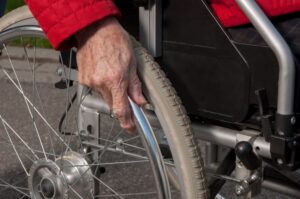 One of the most important protections in N.J.S.A. 30:13-5 involves physical restraints. The statute prohibits facilities from using restraints for discipline, staff convenience, or punishment. Restraints are only permitted when medically necessary and properly documented.
Physical restraint violations remain disturbingly common in long-term care settings. The Centers for Medicare and Medicaid Services tracks restraint use as a key quality indicator because improper restraints cause physical harm, psychological trauma, and loss of dignity.
What Counts as an Improper Restraint
Improper restraints include bed rails used to prevent movement, wheelchair belts that prevent residents from standing, and chemical restraints. Chemical restraints involve medications used to control behavior rather than to treat a diagnosed medical condition, or medications administered without appropriate clinical justification and documentation. Even positioning devices may qualify as restraints if they restrict free movement.
The key distinction is purpose. A restraint used because the facility lacks adequate staff is illegal. A restraint used because the resident poses an immediate danger to themselves requires specific documentation and regular reassessment.
Signs That Your Loved One May Face Restraint Violations
Families often notice restraint issues during visits. Common warning signs include the following:
- Bruising or skin marks on wrists, ankles, or around the chest area
- A resident who seems unusually sedated or unresponsive during visits
- Staff explanations that focus on “keeping them safe” rather than medical necessity
- Restraint devices that are visible without any documented medical reason
- Sudden behavioral changes after a facility begins using any type of restraint
These signs merit immediate attention. Documenting what you observe during visits creates a record that may matter later.
Protection From Abuse, Neglect, and Exploitation
N.J.S.A. 30:13-5 explicitly protects residents from abuse, neglect, and exploitation. These terms have specific legal meanings that go beyond common usage, and understanding the distinctions helps families identify violations.
Abuse involves intentional acts that cause harm or create substantial risk of harm. Neglect involves failure to provide necessary care, supervision, or services. Exploitation involves taking advantage of a resident for financial or other benefit.
How New Jersey Law Defines Nursing Home Neglect
Neglect does not require intent to harm. A facility that simply fails to provide adequate care commits neglect, even if staff members mean well. Common examples include failure to turn bedridden residents, which causes pressure ulcers. Neglect also includes failure to assist with eating, which leads to malnutrition or dehydration.
The New Jersey Department of Health maintains oversight of nursing home facilities and investigates complaints. However, regulatory action and civil liability are separate matters. A family may pursue compensation even if the state investigation does not result in formal sanctions.
Recognizing Emotional and Psychological Abuse
Not all abuse leaves visible marks. Emotional abuse includes verbal harassment, intimidation, threats, and deliberate humiliation. Some facilities tolerate staff conduct that demeans residents or makes them feel worthless.
Isolation of residents from family contact may also constitute abuse or neglect when done without legitimate justification. When facilities restrict visitation without proper clinical or safety reasons, they may violate the resident’s statutory rights.
The Right to Dignity, Privacy, and Respectful Treatment
 Dignity rights under N.J.S.A. 30:13-5 address the everyday experience of living in a nursing home. Residents retain the right to be treated with consideration, respect, and full recognition of their dignity and individuality.
These protections matter because long-term care involves intimate personal assistance. Residents depend on staff for bathing, dressing, toileting, and other activities. That dependence makes dignity protections essential.
What Dignity Violations Look Like in Practice
Dignity violations might seem small in isolation but create patterns of dehumanizing treatment. Examples include staff members who discuss residents as though they are not present. Other violations involve leaving residents undressed or exposed during care.
Facilities that ignore resident preferences about daily routines may also violate dignity rights. This includes forcing residents to wake, eat, or bathe on schedules designed purely for staff convenience.
Privacy Rights in Nursing Home Settings
Privacy rights include confidentiality of medical records and personal information. They also include physical privacy during treatment and personal care. Residents have the right to private telephone conversations and private visits with family members.
When staff members discuss a resident’s condition in common areas where others may hear, they may violate privacy rights. When facilities open mail or monitor phone calls without legal or clinical justification, they may violate privacy rights as well.
Resident Rights to Participate in Care Decisions
The Residents’ Bill of Rights guarantees that nursing home residents may participate in planning their own care. This includes the right to be informed about medical conditions, treatment options, and expected outcomes. Residents also retain the right to refuse treatment.
These rights acknowledge that nursing home residents remain autonomous individuals. Moving into a care facility does not strip away decision-making authority.
Informed Consent Requirements
Facilities must obtain informed consent before treatments and procedures. Informed consent requires explanation of the proposed treatment, its risks and benefits, and available alternatives. The resident must have the capacity to understand and agree.
When residents lack capacity, their designated healthcare representative may make decisions. However, facilities may not simply assume incapacity. The law requires proper documentation of capacity determinations.
Access to Medical Records and Care Plans
Residents and their authorized representatives have the right to access medical records. This includes the right to review care plans and to participate in care plan meetings. Facilities may not deny access or create unreasonable barriers.
Access to records matters for families who suspect problems. The records may reveal medication errors, missed treatments, or documentation gaps that indicate neglect. Families who request records and face resistance may have identified a facility that is attempting to conceal problems.
Freedom From Involuntary Seclusion and Isolation
Involuntary seclusion means separating a resident from other residents or from common areas against their wishes. N.J.S.A. 30:13-5 prohibits this practice outside of limited, documented circumstances involving immediate danger, infection control, or other legitimate clinical needs.
Seclusion differs from restraints but causes similar harm. A resident confined to their room without justification experiences isolation that may cause depression, cognitive decline, and physical deterioration.
When Isolation Crosses the Line Into a Rights Violation
Facilities sometimes isolate residents for reasons that benefit staff rather than the resident. Examples include isolating residents who require extra assistance during meals. Other examples involve confining residents to rooms during short-staffed shifts.
The following situations may indicate improper seclusion:
- A resident who previously participated in activities but now remains in their room constantly
- Staff explanations that focus on the resident being “difficult” rather than on medical needs
- Lack of documentation supporting the seclusion decision
- Isolation that continues indefinitely without regular reassessment
These patterns suggest that convenience, not care, drives the facility’s decisions.
The Connection Between Isolation and Neglect
Isolated residents often experience neglect simultaneously. When staff members do not regularly check on a secluded resident, basic needs may go unmet. Call lights may go unanswered for extended periods.
This connection means that families noticing isolation concerns may discover additional violations upon closer examination. The isolation itself may be the visible symptom of broader care failures.
How Violations Create Civil Liability
When nursing homes violate the Residents’ Bill of Rights, they create potential civil liability. Families may pursue compensation for harm caused by the violations. This accountability function gives the statute real force.
Civil liability does not depend on whether the state takes regulatory action. Families have independent rights to seek compensation through the court system.
The Standard for Nursing Home Negligence in New Jersey
Nursing home negligence cases require demonstrating that the facility owed a duty of care, breached that duty, and caused harm as a result. N.J.S.A. 30:13-5 helps establish the duty and breach elements.
The statute defines specific obligations. When a facility fails to meet those obligations, courts may consider that failure as strong evidence that the facility breached its duty of care. This statutory framework helps families fight for fair compensation alongside other evidence of substandard care.
Documentation That Strengthens Potential Claims
Strong documentation transforms suspicions into evidence. Families who suspect violations may take several steps:
- Keep a written log of observations during each visit, including dates, times, and specific concerns
- Photograph visible injuries, unsanitary conditions, or hazards with timestamps enabled
- Request copies of medical records, care plans, and incident reports
- Note the names of staff members who were present during concerning incidents
- Save any written communications with the facility about care concerns
This documentation creates a record that attorneys may use to evaluate potential claims and pursue compensation.
FAQ for New Jersey Nursing Home Rights
Does the Residents’ Bill of Rights apply to assisted living facilities?
N.J.S.A. 30:13-5 specifically addresses nursing homes and long-term care facilities licensed under nursing home regulations. Assisted living facilities are governed by different statutes and regulations that provide their own resident rights. Families with concerns about assisted living care may benefit from reviewing the specific regulations that govern those facilities.
How do I file a complaint about nursing home rights violations in New Jersey?
The New Jersey Department of Health accepts complaints about nursing home care. You may file complaints online, by phone, or in writing. The state investigates complaints and may take regulatory action against facilities. Filing a regulatory complaint is separate from pursuing civil liability through the court system.
Do nursing home rights continue if my loved one has dementia?
Yes. Dementia or other cognitive impairments do not eliminate statutory rights. Residents with dementia retain all protections under N.J.S.A. 30:13-5. Facilities may need to involve designated healthcare representatives for certain decisions, but this does not diminish the resident’s fundamental rights to dignity, freedom from abuse, and quality care.
What happens if a nursing home retaliates after I raise concerns?
Retaliation against residents or family members who raise concerns is prohibited. If a facility takes adverse action because a resident or family member raised concerns, that retaliation may constitute a violation. Examples of retaliation include sudden changes to care, restrictions on visitation, or threatened discharge. Document any changes that occur after you raise concerns, as this documentation is key to establishing a connection between your complaint and the facility’s response.
How long do I have to take legal action for nursing home rights violations?
New Jersey generally applies a two-year statute of limitations for personal injury claims, though specific circumstances may affect the timeline. Certain factors, such as when the injury was discovered or the resident’s capacity, may shorten or extend this deadline. Families who suspect violations may benefit from consulting with an attorney promptly to understand how deadlines apply to their situation.
Your Family Has a Right to Answers

Richard Grungo Jr., Esq., Nursing Home Abuse Attorney
When you notice something wrong during a nursing home visit, that instinct matters. The Residents’ Bill of Rights exists precisely because families like yours raised concerns about care quality and resident dignity. New Jersey lawmakers listened and created enforceable protections.
Grungo Law helps South Jersey families understand whether the treatment their loved ones received violated these legal standards. Our team reviews care records, evaluates documentation, and helps families determine whether they have grounds to pursue accountability.
If you have questions about your loved one’s care in a Camden, Burlington, Gloucester, or Cumberland County nursing home, contact Grungo Law for a free consultation. We handle nursing home abuse cases on a contingency basis, which means families pay no attorney fees unless we recover compensation.