


Understanding Your “Limited Right to Sue” Policy: A New Jersey Car Insurance Trap
Request a Free ConsultationThe limited right to sue in New Jersey catches many drivers off guard after an accident. Years earlier, when purchasing auto insurance, they selected an option called the “limitation on lawsuit” or “verbal threshold” to lower their monthly premiums. Now, after suffering real injuries in a crash, they learn this choice restricts their ability to pursue compensation for pain and suffering.
This policy election confuses many New Jersey drivers because its consequences remain hidden until they actually need to file a claim. Many drivers report that the limitation was not fully explained in practical terms when they selected it. The result is that injured drivers in Medford, Cherry Hill, and throughout Burlington County might feel blindsided when an insurer tells them they have limited legal options.
Key Takeaways for Limited Right to Sue Policies in New Jersey
- The verbal threshold restricts pain and suffering claims, not all compensation, and drivers may still pursue economic damages such as medical expenses and, in some cases, lost wages, subject to their specific PIP coverage and policy terms.
- Six specific injury categories overcome the limitation, including permanent injury, significant disfigurement, displaced fractures, loss of fetus, dismemberment, and death.
- Permanent injury requires physician certification under New Jersey law, and the injury must be documented as lasting and objectively measurable.
- Insurers sometimes overstate the restriction, leading drivers to believe they have no options when exceptions may apply to their injuries.
- Medical documentation plays a critical role in establishing whether injuries meet the threshold requirements under New Jersey’s verbal threshold law.
What the Limited Right to Sue Actually Means
The limited right to sue, also called the verbal threshold, is an option on New Jersey auto insurance policies. When drivers select this option, they agree to limit their ability to sue for non-economic damages like pain and suffering after an accident. In exchange, they pay lower insurance premiums.
This election appears on the policy declarations page, often in technical language that policyholders do not fully understand when they sign. The New Jersey Department of Banking and Insurance requires insurers to offer this choice, but many drivers make the selection without grasping its implications.
How the Verbal Threshold Works
The verbal threshold does not prevent all lawsuits after a car accident. Injured drivers may still pursue compensation for economic damages regardless of their threshold selection. Economic damages include medical bills and out-of-pocket expenses related to the accident, with lost wage recovery depending on specific PIP coverage and policy terms.
What the threshold restricts is the ability to sue for non-economic damages. Non-economic damages compensate for pain, suffering, emotional distress, and diminished quality of life. These damages often represent a significant portion of injury claims.
Why So Many Drivers Choose This Option
Most drivers select the limited right to sue because it costs less. The premium difference between limited and unlimited lawsuit options may amount to hundreds of dollars per year. For drivers on tight budgets, the savings seem worthwhile.
The problem is that this decision happens in the abstract. When you select coverage, you are not injured. The consequences feel remote. Only after an accident does the limitation become painfully concrete.
The Six Injuries That Overcome the Verbal Threshold
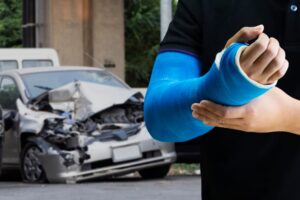 New Jersey law specifies six categories of injuries that allow drivers to overcome the verbal threshold. When an injury falls into one of these categories, the limitation no longer applies. The injured driver may then pursue pain and suffering damages just like someone with an unlimited policy.
These exceptions recognize that certain injuries cause suffering so significant that restricting compensation is inappropriate. The categories appear in N.J.S.A. 39:6A-8.
Permanent Injury
Permanent injury is the most common exception that drivers use to overcome the verbal threshold. To qualify, the injury must be permanent, meaning it produces lasting effects that medical treatment does not fully resolve. A physician must certify the permanence in writing based on objective medical evidence.
The injury does not need to be catastrophic. Herniated discs, chronic pain conditions, and limited range of motion may qualify when objective medical evidence demonstrates permanent impairment. The key is documentation showing that the injury produces lasting, measurable effects.
Significant Disfigurement or Scarring
Significant disfigurement includes scars, burns, or other visible changes to appearance that result from the accident. The disfigurement must be significant, meaning noticeable and lasting. Minor scratches that heal completely do not qualify.
Courts evaluate disfigurement based on visibility, location, and permanence. Facial scars often qualify more readily than scars in areas that are normally covered by clothing. Photographs and medical records document the extent of disfigurement.
Other Qualifying Injuries
Beyond permanent injury and disfigurement, four additional categories overcome the threshold. Each represents a serious outcome that the law treats as exceeding the limitation’s scope.
The remaining qualifying injuries include:
- Displaced fractures, meaning broken bones where the bone fragments separate from their normal position
- Loss of fetus, applying when an accident causes pregnancy loss
- Dismemberment, meaning the loss of a limb or body part
- Death, which allows surviving family members to pursue wrongful death claims
Any injury that falls into one of these categories removes the verbal threshold barrier. Proper medical documentation remains essential for each category.
How Insurers Apply the Limitation
Insurance companies apply the verbal threshold when evaluating claims from policyholders who selected the limited option. Their approach often discourages drivers from pursuing legitimate claims. Drivers who understand how insurers operate make better decisions about their cases.
The insurer’s goal is to minimize payouts. This does not mean they act improperly, but their interests differ from those of injured drivers.
Common Insurer Responses
When an injured driver with a limited policy seeks pain and suffering compensation, insurers often respond in predictable ways. They may state that the policy prevents any lawsuit for non-economic damages. This statement oversimplifies the law.
Insurers may also dispute whether injuries meet threshold requirements. They might argue that an injury is not truly permanent or that disfigurement is not significant enough. These disputes require medical evidence to resolve.
Why Medical Documentation Matters
Medical records form the foundation of any effort to overcome the verbal threshold. Physicians must document not only the existence of injuries but also their permanence and severity. Vague or incomplete records make threshold arguments harder to support.
Injured drivers benefit from treatment providers who understand how to document injuries for legal purposes. Records that clearly describe lasting impairment, objective findings, and functional limitations strengthen claims.
The Physician Certification Requirement
For permanent injury claims, New Jersey law requires a physician to certify that the injury is permanent. This certification is not automatic. Drivers must work with their doctors to obtain proper documentation that meets legal standards.
The certification must state that the injury is permanent within a reasonable degree of medical probability. It must identify the specific injury and explain why medical treatment has not and likely will not resolve the condition.
What Physicians Must Document
 Physicians certifying permanent injury must provide specific information. General statements about pain or discomfort do not satisfy the legal requirement. The certification needs objective medical findings.
Proper certification includes the following elements:
- Identification of the specific injury or condition
- Objective findings from examinations, imaging, or testing
- Statement that the injury is permanent within reasonable medical probability
- Explanation of how the injury affects function or quality of life
This documentation creates the evidentiary foundation for overcoming the verbal threshold.
Timing of Certification
Physicians typically provide certification after treatment reaches a stable point. Certifying too early, before the full extent of injury becomes clear, may undermine the claim. Waiting until the injury’s permanent nature becomes evident strengthens the documentation.
Under New Jersey law, the physician certification generally must be provided within 60 days after the defendant files an answer, unless the court allows additional time for good cause. Medical experts note that some injuries require months of treatment before permanence becomes clear, so planning ahead matters.
Common Injuries and Threshold Questions
Many injuries fall into gray areas where threshold qualification is uncertain. Drivers often want to know whether their specific injury overcomes the limitation. While no injury automatically qualifies, certain injuries frequently meet the permanent injury standard with proper documentation.
The answer depends on medical evidence specific to each case. General patterns provide guidance but not guarantees.
Herniated Discs and Spinal Injuries
Herniated discs may overcome the verbal threshold when objective medical evidence shows permanent impairment. When imaging confirms structural damage and symptoms persist despite therapy, physicians may certify the injury as permanent.
However, insurers often dispute herniated disc claims. They may argue that the condition is degenerative rather than accident-related or that symptoms may improve with time. Strong medical documentation with objective findings addresses these arguments.
Soft Tissue Injuries
Soft tissue injuries like whiplash present more difficult threshold questions. These injuries often heal, making permanence harder to establish. When soft tissue injuries produce chronic pain or lasting limitations, threshold arguments become stronger.
The key is objective evidence. Injuries documented only through patient-reported symptoms face more scrutiny than those confirmed through imaging or physical examination findings.
Choosing Between Limited and Unlimited Policies
Drivers who have not yet been injured face a choice between limited and unlimited lawsuit options. This decision involves balancing premium costs against potential claim limitations. Neither choice is right for everyone.
The unlimited option, sometimes called “zero threshold” or “no limitation on lawsuit,” preserves the full right to sue regardless of injury severity. It costs more but eliminates threshold concerns entirely.
Factors to Consider
 Several factors affect which option makes sense for individual drivers. Drivers who commute long distances on highways like I-295 or Route 70 face higher accident risk. Drivers with existing health conditions may face complications if injured.
Consider the following when selecting coverage:
- Your daily driving patterns and accident exposure
- Your financial ability to absorb premium differences
- Your risk tolerance regarding potential claim limitations
- Whether household members drive the insured vehicle
This decision merits careful thought rather than automatic selection of the cheapest option.
Changing Your Election
Drivers may change their threshold election when renewing policies. The change takes effect on the renewal date, not retroactively. An accident that occurs before the change remains subject to the original election.
Reviewing your current policy helps you understand which option you selected. The declarations page identifies your lawsuit threshold election.
FAQ for Limited Right to Sue Policies
Does the verbal threshold apply if the other driver was drunk?
New Jersey law provides an exception when the at-fault driver is convicted of drunk driving. In these cases, even drivers with limited policies may pursue pain and suffering damages regardless of injury severity. The conviction requirement means that intoxication alone, without a conviction, does not trigger the exception.
What if I was a passenger in someone else’s car?
In many cases, the vehicle owner’s insurance election controls when a passenger is injured, though exceptions and policy interactions may apply. The specific facts of each situation determine which policy governs. Passengers injured in accidents may need to review multiple policies to understand their options.
Does the limitation apply to accidents with commercial trucks?
The verbal threshold may not apply in certain circumstances involving commercial vehicles, depending on whether the commercial vehicle is subject to PIP and how coverage is structured. These cases require careful analysis of which policies and exceptions apply to the specific accident.
What happens if my doctor refuses to certify my injury as permanent?
Without physician certification, permanent injury claims face significant obstacles. Drivers in this situation may seek evaluation from another qualified physician. The certification must come from a physician with knowledge of the specific injury and its prognosis.
Does the verbal threshold affect claims against my own insurance?
The verbal threshold primarily affects lawsuits against at-fault drivers for pain and suffering. Claims for PIP benefits proceed regardless of your threshold election, subject to your specific coverage selections and limits. The limitation affects non-economic damage claims specifically.
Your Policy Selection Does Not Have to Be the Final Word
Richard Grungo Jr., Esq., Personal Injury Lawyer
Learning that you selected the limited right to sue feels frustrating, especially after a serious accident. The restriction seems unfair because you made the decision years ago without understanding what it meant. Many South Jersey drivers share this experience.
The good news is that the limitation creates a gate, not a wall. Injuries that meet threshold requirements allow you to pursue the same compensation as drivers with unlimited policies. The question is whether your specific injuries qualify under New Jersey law.
Personal injury lawyers at Grungo Law helps injured drivers in Medford and throughout Burlington County understand their options after accidents. Our team reviews medical records, evaluates threshold questions, and helps drivers fight for fair compensation when their injuries meet legal requirements.
If you have questions about whether your injuries overcome the verbal threshold, contact Grungo Law for a free consultation. We handle car accident cases on a contingency basis, which means you pay no attorney fees unless we recover compensation.